
Pakistani Formal Dresses
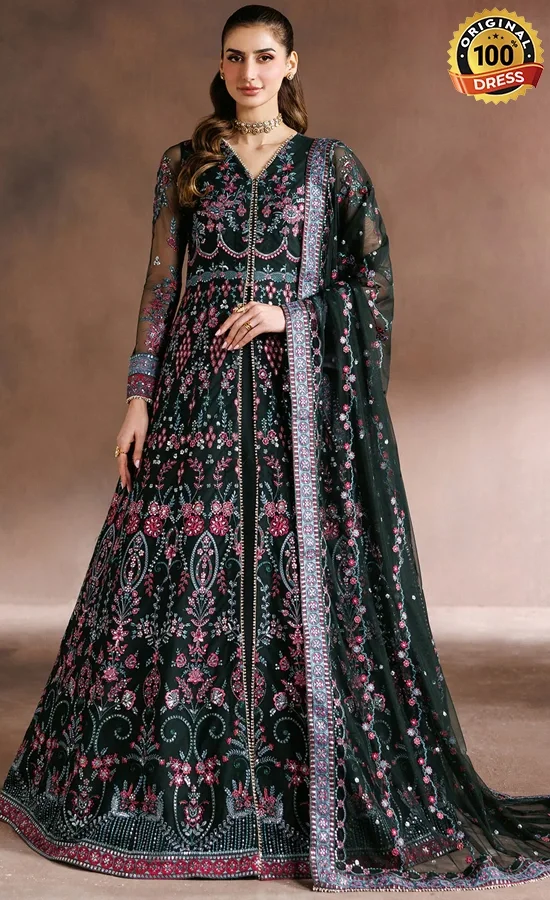
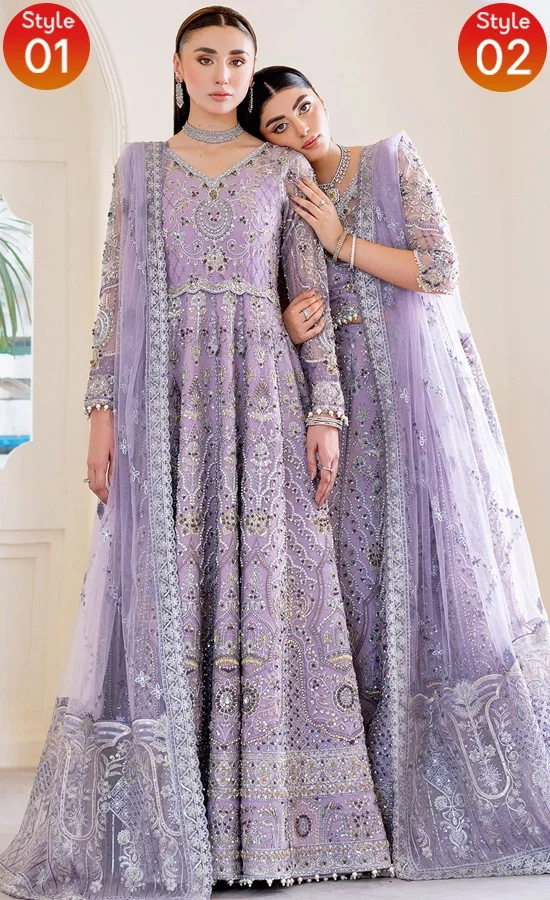
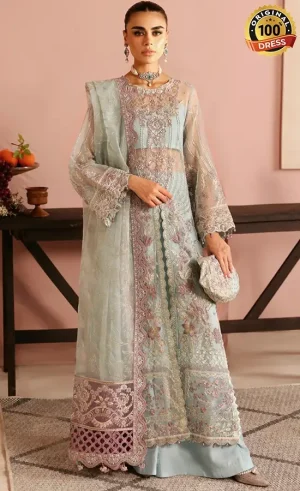
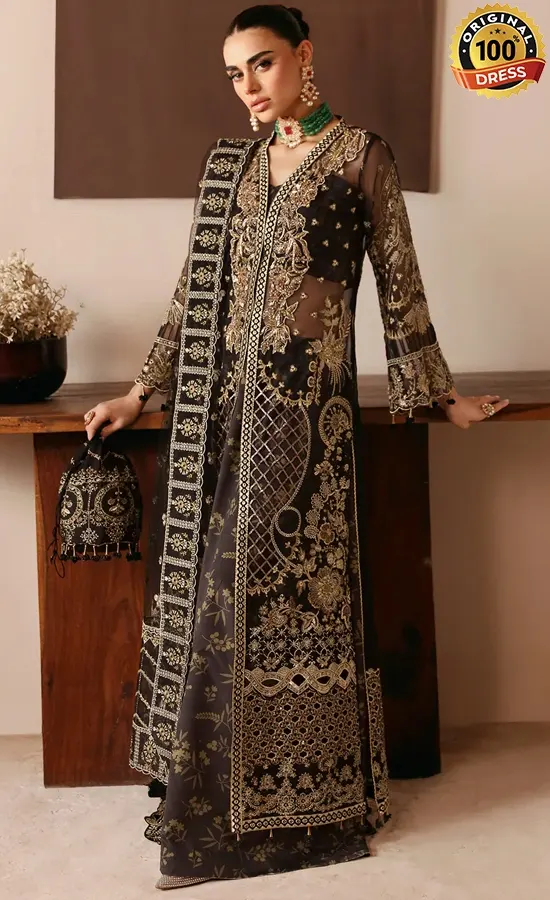
In Pakistani fashion, « formals » are a category of their own: the embroidered outfits made for occasions, one step above the lawn you’d wear on an ordinary day and one step below bridal. This collection is devoted to them. Formals usually combine chiffon, organza, net or silk with a kameez worked at the neckline and sleeves, and a dupatta that either matches or deliberately contrasts. They’re what you reach for at Eid with the family, an aqiqa, a formal dinner or a community reception. Depending on the design, you can order a standard size or send us your own measurements. Let the occasion decide how much embroidery you want, and compare the pieces with that in mind.
18 résultats affichésTrié du plus récent au plus ancien
-

-
-
-
-

-
 €191.00
 -
 €330.00
 -

-

-
€203.00
-
€203.00
-
€215.00
-
€203.00
-
-
-
€403.56
-
€263.00




18 résultats affichésTrié du plus récent au plus ancien
Lawn, pret, formal, bridal: how Pakistani ranges are graded
Pakistani labels sort their collections by how dressed-up they are, and knowing the grades tells you what you’re buying. Lawn is a fine cotton, printed or lightly embroidered, made for heat and daytime. Pret covers ready-to-wear for everyday or office use. Then come formals, sometimes sold as festive wear, with richer fabrics, denser embroidery and finishing meant to be seen up close. Bridal sits at the top.
A formal outfit usually has three pieces: the kameez, a bottom (straight or cigarette trousers, a sharara or palazzos) and the dupatta. The dupatta often decides how dressy the whole look feels: embroidered all over, it reads as an occasion outfit; worked only at the border, it stays quieter.
Formal, but not party wear and not bridal
The distinction matters when you choose. A formal outfit stays composed: localised embroidery, little or no sequinning, fabrics and colours that work in daylight. If the invitation is for dancing or a late dinner, our party wear dresses bring more shine. If you’re a guest at one of the wedding days, our wedding guest collection is the better place to start.
The cuts worn most for formal occasions
An embroidered salwar kameez is the safe choice: a straight or slightly flared kameez, straight trousers and a chiffon dupatta. Change the jewellery and it moves easily from one occasion to the next. Fitted through the bodice and then widely flared, an Anarkali suit brings more movement and a more ceremonial feel. And if you prefer a drape, a Pakistani saree has its own place at dinners and receptions.
Matching the outfit to the time and place
In daylight, lighter fabrics and softer colours (mint, tea pink, ivory, powder blue) look more natural, and the embroidery can stay tone on tone. In the evening, organza and silk carry stronger shades. If part of the event takes place at a mosque, for a Quran recitation for example, choose long sleeves and a dupatta wide enough to cover your hair without holding it in place all afternoon. For Eid itself, our Eid collection is more focused.
Standard size or your own measurements
Our workshop works in inches, and the centimetre figures in the size guide are rounded conversions. If you order to your own measurements, take them carefully and check every figure before you confirm, because those numbers are what the outfit is stitched from.