
Islamic Wedding Dresses
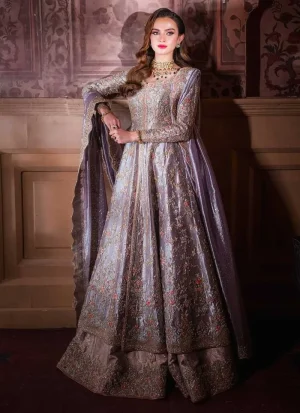
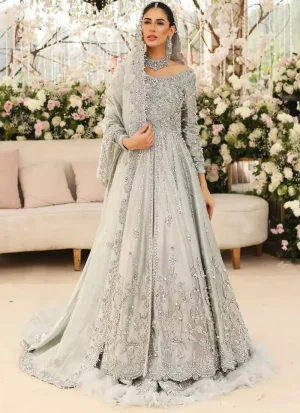
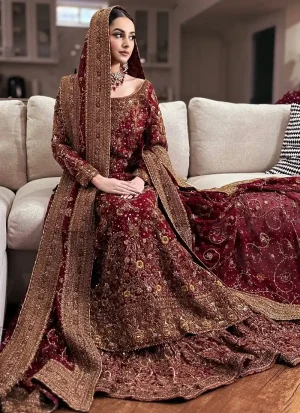
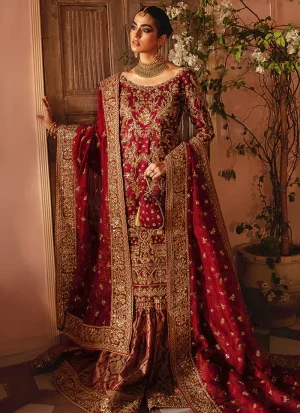
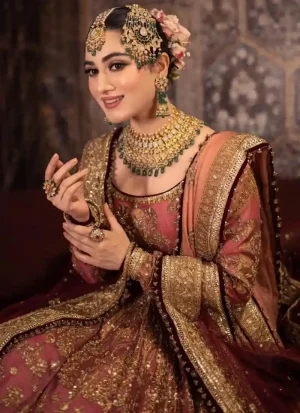
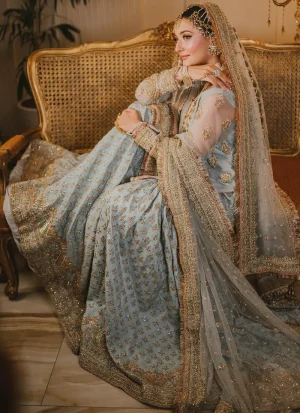
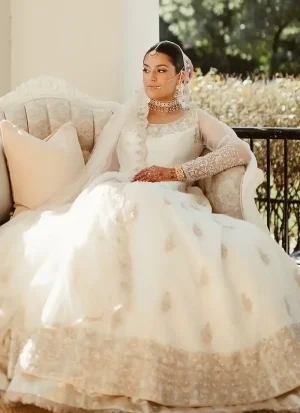
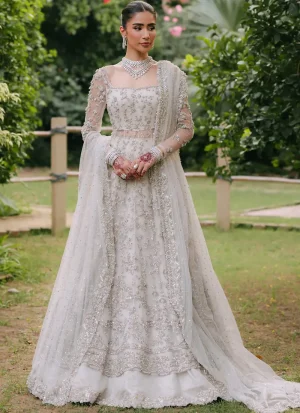
In this collection, an Islamic wedding dress is defined by what it covers: a closed neckline, sleeves to the wrist, no bare midriff and a fit that doesn’t cling. It keeps to that standard for brides and for the women of the wedding party, across the silhouettes Pakistani weddings use: lehengas worn with a long shirt instead of a cropped blouse, ghararas, shararas, pishwas and full-length gowns. Modest doesn’t have to mean plain, and the embroidery can be as rich as on any bridal outfit. On most of our bridal designs you can ask for a higher neckline, fuller sleeves, more coverage at the back or a longer shirt before production, and sleeve lining costs nothing extra.
Affichage de 1–20 sur 118 résultatsTrié du plus récent au plus ancien
-
-
 €899.00
 -
 €1,195.00
 -
€899.00
-
€1,149.00
-
€849.00
-
€999.00
-
€899.00
-
€999.00
-
€599.00
-
€899.00
-
 €849.00
 -

-
-
-
-
-



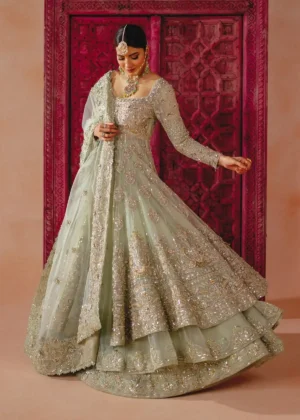
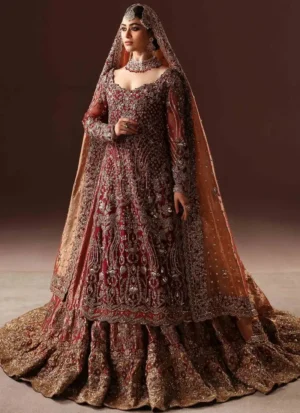

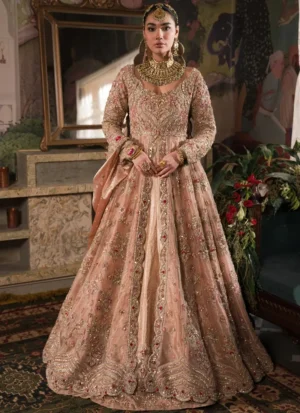
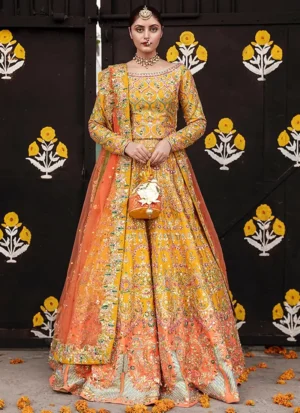


Affichage de 1–20 sur 118 résultatsTrié du plus récent au plus ancien
What makes a wedding outfit modest
Four details do most of the work. The neckline should sit at the collarbone or higher, and a round or boat neck is easier to keep covered than a V. Sleeves need to reach the wrist; if the sleeve fabric is net or organza, a lining underneath is what turns a sheer sleeve into a covering one. The top has to meet the skirt or trousers with no gap, which in practice means a kameez or long shirt rather than a short choli. And the silhouette should skim the body rather than follow it. A gown or pishwas flared from under the bust is naturally modest; a close-fitting mermaid shape is much harder to wear that way.
The dupatta and the hijab
For many brides the dupatta is also the head covering, so its size and fabric matter. A chiffon or net dupatta large enough to drape over the head and still fall past the shoulders is far more likely to stay in place through the Nikkah. Brides who wear a hijab often add a fitted underscarf in a matching colour beneath the dupatta, so the hair stays covered even if the dupatta slips. Extra dupattas and matching hijabs can be arranged with us when you order.
Silhouettes that work, ceremony by ceremony
For the Nikkah, often held in a mosque or at home, a gharara or sharara with a knee-length shirt is both traditional and fully covering; our Nikkah dresses show the range for that day. At the Baraat, a lehenga stays modest when it’s paired with a long shirt falling to mid-thigh or below, a combination Pakistani bridal wear has used for generations. For the Walima or a reception, a floor-length gown is the simplest answer, and our Islamic bridal gowns are cut long, closed and traditional. A bridal pishwas suits any of these days: one flowing layer from shoulder to floor.
Modest outfits for the rest of the family
The same principles apply to mothers, sisters and guests who dress modestly. A long Anarkali suit or a salwar kameez with full sleeves is the easiest route. If you’re a guest, browse our wedding guest outfits with the coverage points above in mind, and check sleeve length and fabric opacity on each product page.
Ordering with modesty changes
Tell us about any change before you order, so the pattern is cut correctly the first time. Bridal pieces are made after the order is placed, and we’ll send you a video of the finished outfit before it’s packed, which is the moment to check the coverage. For the complete bridal range beyond modest cuts, see our Pakistani bridal collection.